
Energy / Field guide
How to Calculate HVLS Fan Energy Cost
Estimate fan electricity from input power, operating hours and tariff, then evaluate wider savings claims against a separate measured baseline.
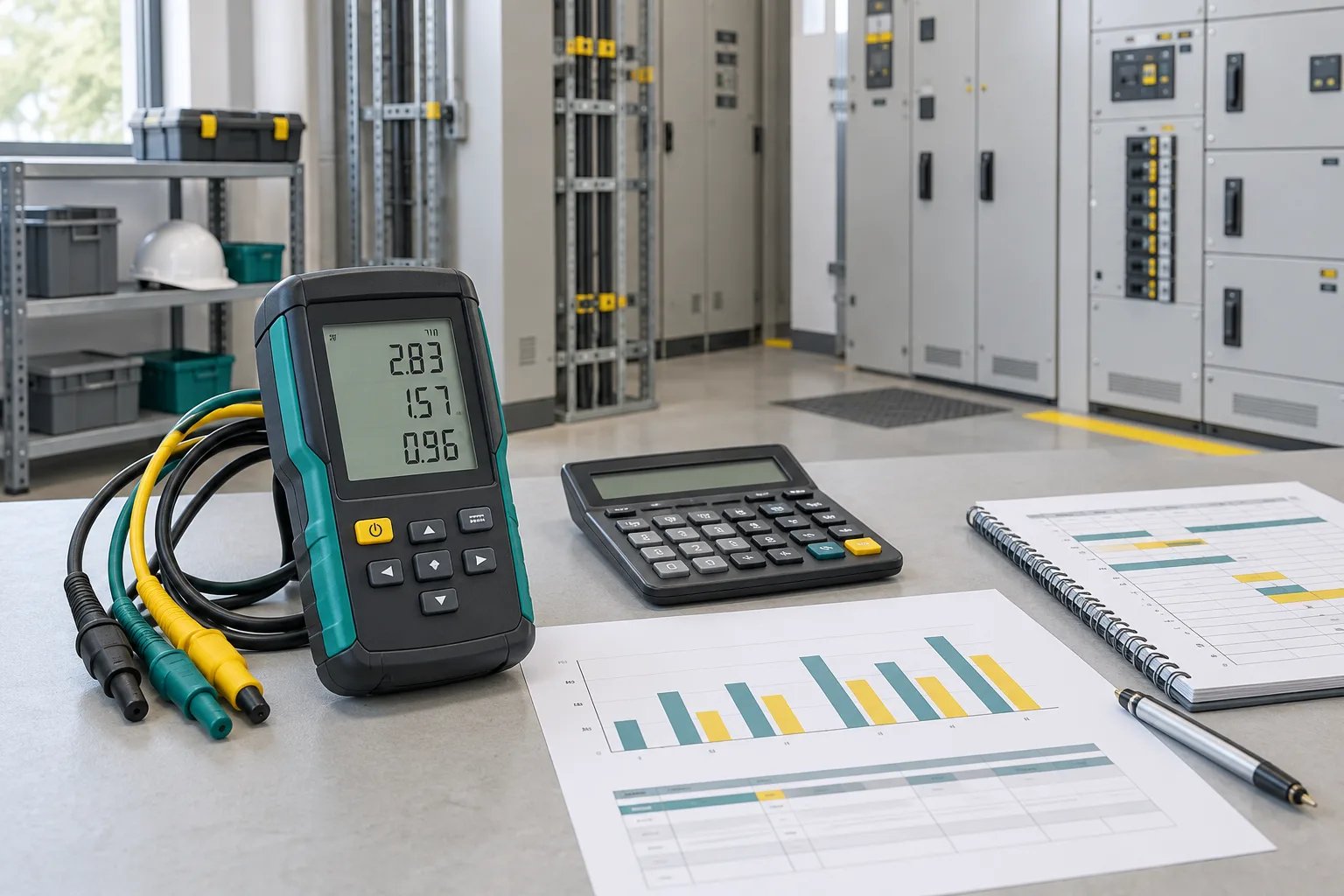
Estimate fan electricity cost by multiplying electrical input power in kilowatts by operating hours and the applicable tariff. Use input power at the intended operating point. Evaluate any claimed change in air-conditioning or heating consumption separately against an agreed baseline.
Collect the inputs that affect the bill
For each proposed model, request electrical input at the speeds you expect to use. Clarify whether a quoted power value is motor output, a rating limit or measured system input including the controller. Also record how many fans will operate together and how schedules change across seasons.
Use your electricity contract to identify the relevant tariff. A simple energy-rate estimate may exclude demand charges, time-of-use rates, taxes or other bill components. State those exclusions rather than presenting the result as a complete utility forecast.
When comparing the PMSM fan product family, request the current datasheet and proposed operating point. Do not assume the largest published power value is the power that every fan draws throughout a shift.
Work through an explicit example
The following numbers are invented calculation inputs, not a product rating, quotation or measured result. Suppose six fans each draw an average of 1.0 kW, operate for eight hours per day on 250 days per year and use electricity priced at USD 0.12 per kWh.
| Calculation | Illustrative result |
|---|---|
| Operating hours | 8 x 250 = 2,000 hours/year |
| Combined electrical input | 6 x 1.0 = 6 kW |
| Annual energy | 6 x 2,000 = 12,000 kWh |
| Annual energy charge | 12,000 x USD 0.12 = USD 1,440 |
For a changing schedule, calculate each operating mode separately and add the results. Ten hours at a lower speed should use the measured input for that mode. Avoid deriving an exact power figure from the speed setting unless the supplier provides a suitable performance relationship.
The drive technology comparison lists the evidence to request when comparing different motor arrangements. Apply the same operating hours, energy rates and service assumptions to both proposals.
Separate equipment consumption from savings
A fan energy calculation tells you what the fans consume under stated assumptions. It does not, by itself, establish a reduction in another system’s consumption. If a supplier proposes savings from changed cooling or heating operation, ask for the mechanism, control changes, assumptions and measurement plan.
Record the existing equipment schedule, thermostat settings, occupied hours and representative environmental conditions. Define which changes will be made and which measurements will be compared. Avoid counting a reduction caused by fewer operating hours or a production change as a fan effect.
For a warehouse project, the airflow planning guide helps define the work areas the proposal is intended to serve. Keep that objective linked to the energy study so a lower bill is not accepted without checking the agreed operational result.
Include service and installation costs
For a total-cost comparison, add installed equipment cost, electrical work, access equipment, scheduled service and a stated allowance for replacement items. Ask who pays for travel, lifting equipment and labor when warranty parts are supplied. Keep estimates and contractual commitments in separate columns.
If you calculate a simple payback period, use incremental installed cost divided by an evidenced annual net saving. If no saving has been established, show the operating-cost estimate and leave payback unresolved. A precise-looking payback number does not compensate for an uncertain baseline.
Request an evidence-based proposal
Send the same calculation sheet to each bidder and ask them to identify the source for every input. Retain the submitted power data, schedule assumptions and tariff date with the offer. Repeat the estimate when fan quantity or the proposed control strategy changes.
The supplier procurement checklist explains how to compare documentation, commercial scope and support. Use it alongside the energy worksheet so the final decision reflects the whole project rather than a single efficiency claim.